About Xylan Coated Studs
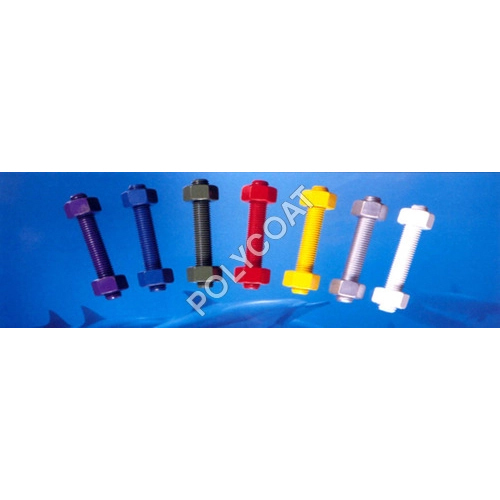
Xylan coated Studs
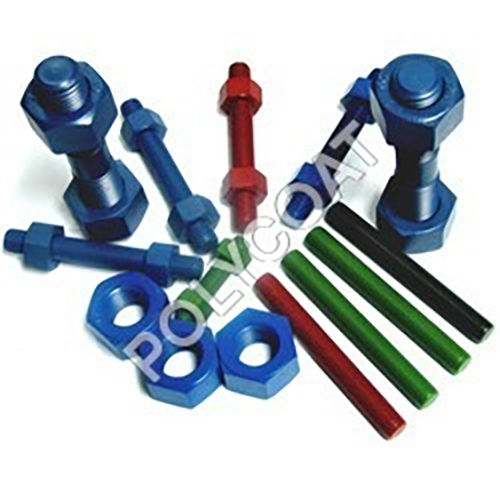
Xylan Coated Studs is a heavy duty threaded rod which can be used in many different mechanical applications to join machine elements together for the proper functioning of the system. It is designed with premium grade materials which increases the strength as well as make the structure of the components highly rigid. The PTFE polymeric coating on the outer layer increases the service life of the tool by preventing the decaying of the metal due to corrosion.
Specification
| Material | MS |
| Usage/Application | Industrial |
| Brand | Polycoat Flowchem Private Limited |
| Packaging Type | Box |
| Surface Finishing | Polished |
| Head Style | Stud |
Outstanding Corrosion and Chemical ResistanceEngineered with a specialized Xylan coating, these studs ensure superior resistance to corrosion and aggressive chemicals, making them ideal for harsh industry environments, including offshore and petrochemical sites. The coating performs exceptionally well in salt spray environments, maintaining integrity even beyond 3,000 hours of exposure, ensuring long-term reliability and minimized maintenance.
Low Friction, Versatile ApplicationXylan coated studs provide a low friction coefficient and hydrophobic properties, assisting in easy tightening and loosening during installation and maintenance. Available in a spectrum of grades and diameters, they are designed to suit diverse connection needs in high-stress sectors such as marine and pipeline construction, supporting mechanical fastening where sealing is not critical.
Precision Engineered to International StandardsAll studs are produced with meticulous attention to tolerance (0.01 mm), offering sustained strength (up to 125 ksi tensile) and reliable performance. Manufactured to ASTM A193 and other global standards, they are available in a range of thread types and connection formats to meet varied industry requirements.
FAQs of Xylan Coated Studs:
Q: How do Xylan coated studs withstand corrosion and chemical exposure?
A: The Xylan coating forms a hydrophobic barrier that prevents moisture and corrosive chemicals from reaching the underlying metal. This, combined with high-quality alloy steel or other specialized materials, enables the studs to endure environments with high salt and chemical presence, proven by their resistance over 3,000 hours in salt spray tests.
Q: What is the typical process for ordering and delivering these studs?
A: Customers can place orders starting from a minimum of 100 pieces, selecting preferred grades, dimensions, thread types, and packaging (plastic bags, cartons, or wooden cases). Each order is manufactured to meet specified standards and is shipped securely, supporting both domestic and international delivery from India.
Q: When should I use Xylan coated studs instead of standard fasteners?
A: Xylan coated studs are recommended when projects demand enhanced corrosion, chemical resistance, and low friction, such as in oil & gas, marine, offshore, and petrochemical facilities. Their superior durability makes them an ideal choice for long-term installations in aggressive or high-pressure environments.
Q: Where are these studs most commonly utilized?
A: These studs are broadly applied in oil refineries, chemical plants, marine equipment, offshore platforms, pipeline construction, and any setting that requires robust, corrosion-resistant mechanical fasteners with reliable thread engagement.
Q: What benefits do the hydrophobic and low-friction properties offer?
A: The hydrophobic nature repels moisture, further mitigating corrosion risk, while the low friction coefficient (~0.02 to 0.08) reduces fastening torque, allowing easier installation and removal. This leads to lower maintenance needs and improved efficiency during assembly.
Q: How customizable are the dimensions and threads of the studs?
A: Lengths are available from 40 mm up to 3000 mm, with diameters from M8 to M64. Thread types include UNC, UNF, Metric, BSW, and BSF, allowing the studs to be tailored to precise application needs, following ASTM, DIN, and ISO standards.
 Call Us : 08045804687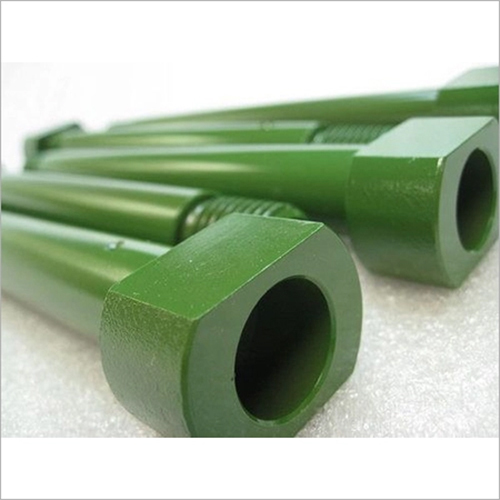








 Send Inquiry

 Send Inquiry
 Send Inquiry
 Send SMS