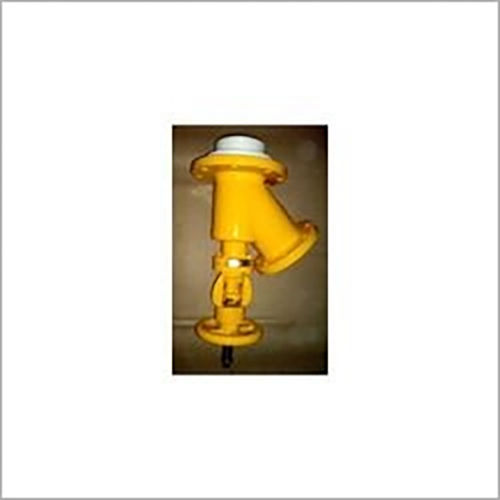
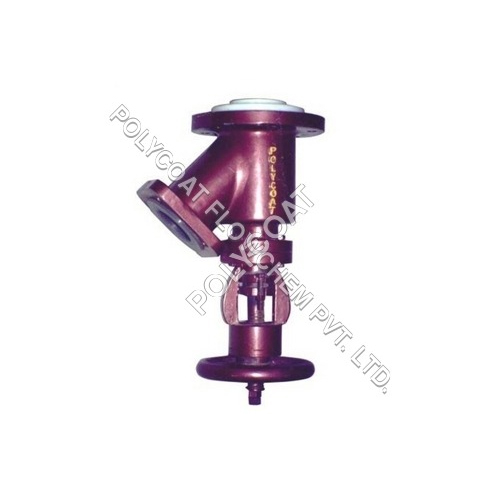
About FEP Lined Flush Bottom Valve
With the constant support of our expert team, we are engaged in offering a huge assortment of FEP lined Flush Bottom Valve. The FEP lined Flush Bottom valve is most commonly used in flush tanks and are mounted at the bottom of the tank. To make it resistant to corrosion, it is coated with PFA / FEP lining. It can withstand temperature up to 2500 C max.
Specification
| Model | Hand Wheel Operated |
| Size | 80 x 50 mm, 100 x 80 mm, 150 x 100 mm |
| Material | FEP |
| Usage/Application | Industrial |
| Brand | Polycoat Flowchem Private Limited |
| Finish | Polished |
Precision Engineering for Corrosive EnvironmentsOur flush bottom valve is meticulously designed for industries managing highly corrosive substances, including acids and alkalis. The uniform 3 mm FEP lining and PTFE seat assure stable, leak-free performance, even under demanding conditions. The valves structure and material selection ensure longevity and safety during vessel, tank, and pipeline drainage operations.
Compliant with International StandardsEvery valve is manufactured as per rigorous ASME and DIN standards, with end flanges suitable for ANSI B16.5, BS, or DIN installations. This global compliance provides seamless integration into new or existing setups, enhancing operational reliability and simplifying maintenance.
FAQs of FEP Lined Flush Bottom Valve:
Q: How does the FEP lined flush bottom valve ensure long-term durability in corrosive environments?
A: The valve features a thick FEP lining (3 mm minimum) and a PTFE/FEP lined seat, providing exceptional resistance to aggressive chemicals. Additionally, the SS316 or EN8 FEP-coated stem and the epoxy-painted exterior shield the valve from external environmental factors, ensuring extended service life.
Q: What are the typical applications of this flush bottom valve?
A: This valve is primarily used for discharging or draining vessels, reactors, tanks, and pipelines that handle corrosive media. Its robust design and corrosion-resistant materials make it suitable for industries like chemicals, pharmaceuticals, and petrochemicals.
Q: When should I choose a flush bottom valve with a rising stem design?
A: A rising stem design offers visual indication of valve position and precise manual control, making it ideal for applications where monitoring and direct manipulation of flow are critical, such as draining processes with highly corrosive substances.
Q: Where can this valve be installed within industrial systems?
A: The flush bottom valve fits at the lowest point of vessels, tanks, or reactorsfacilitating complete and clean discharge. Its versatile flanged ends allow installation according to ANSI B16.5, BS, or DIN piping standards.
Q: What is the process for operating this valve?
A: The valve operates via a manual handwheel, driving the rising stem for smooth opening or closing. Its design supports safe handling of both high pressure (up to 10 kg/cm) and high temperature (up to 180C) environments.
Q: What benefits does the Class VI leakage rating offer?
A: A Class VI leakage rating ensures the valve delivers extremely tight shutoff, minimizing the risk of chemical leaks and enhancing workplace safety when handling hazardous fluids.
 Call Us : 08045804687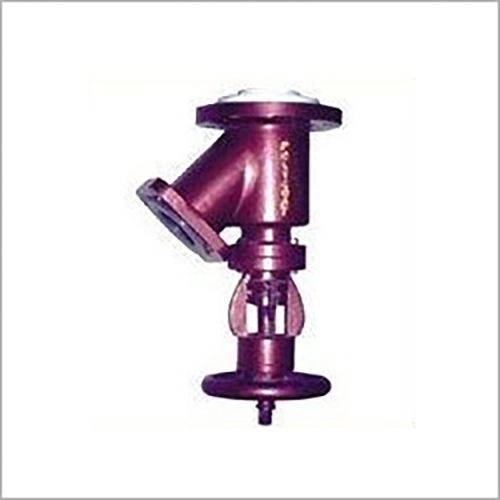








 Send Inquiry

 Send Inquiry
 Send Inquiry
 Send SMS